
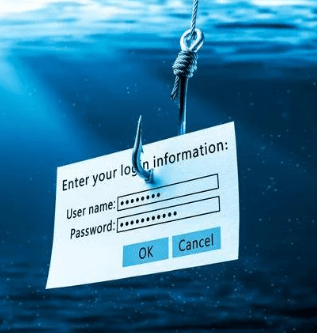
In the digital age, the security of our personal and professional information is paramount. One of the most menacing threats we face is spear phishing, a form of social engineering attack targeted at specific individuals or companies.
What is Spear Phishing?
Spear phishing is a targeted form of phishing where fraudulent emails, faxes, or phone calls are sent to specific individuals or organizations. Unlike phishing, which is typically broad and untargeted, spear phishing attackers often gather and use personal information about their target to increase their chances of success.
Vectors of Attack
Phishing attacks can come from various routes, including but not limited to:
Emails
Emails are the most common path for phishing attacks. Attackers often disguise their emails to look like they’re from a trusted source, such as a bank or a colleague. These emails often contain links to malicious websites or attachments that can install malware on the victim’s device.
Faxes
Though less common in the digital age, faxes are still used by some organizations, making them a potential vector for phishing attacks. Attackers can send fraudulent faxes that appear to be from trusted sources, asking the recipient to perform an action that compromises their security.
Phone Calls
Phone calls, also known as vishing (voice phishing), are another vector for spear phishing attacks. In these attacks, the caller pretends to be from a trusted organization and tries to trick the victim into giving away sensitive information.
Proactive Steps to Avoid Being a Victim
Protecting yourself from spear phishing attacks requires vigilance and a proactive approach. Here are some steps you can take:
- Educate Yourself and Your Team: Knowledge is your best defense against phishing attacks. Understand what spear phishing is and how it works.
- Verify the Source: If you receive an unexpected or suspicious email, fax, or phone call, verify the source before responding. Contact the organization directly using a known and trusted method.
- Be Wary of Unsolicited Requests: Be skeptical of unsolicited requests for sensitive information. Legitimate organizations typically do not ask for sensitive information via email or phone.
By understanding spear phishing and taking proactive steps, we can significantly reduce the risk of falling victim to these attacks.
For an assessment of your security profile, Please contact us!